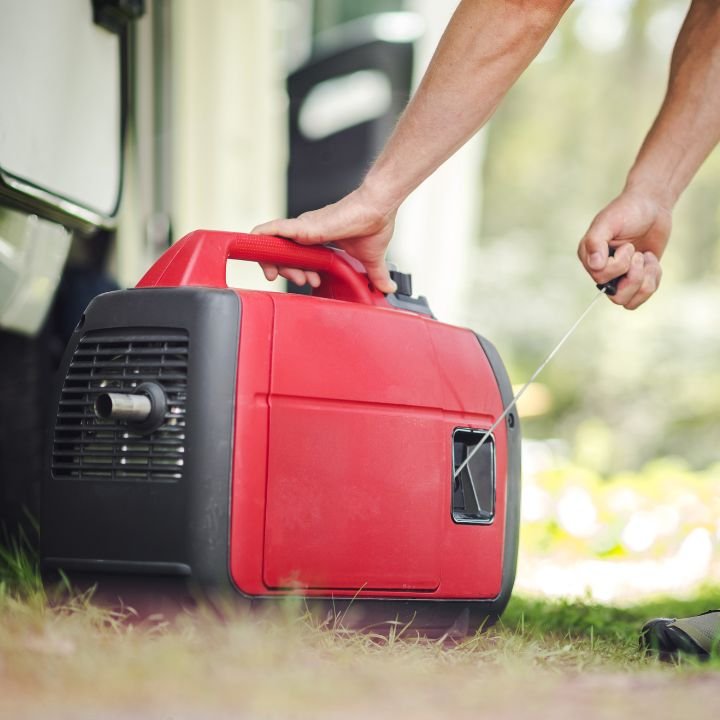
In a world increasingly powered by intricate electronics, a simple power outage can feel like a major catastrophe. Beyond just light, we rely on stable electricity for everything from laptops and medical devices to refrigerators and entertainment systems. Enter the inverter generator, a marvel of modern engineering that has redefined portable power. If you're looking to understand Inverter Generator Basics & Technology—what they are, how they work, and why they’ve become the go-to choice for so many—you’re in the right place.
Gone are the days when a generator meant a noisy, fuel-guzzling beast spitting out "dirty" power that could fry your sensitive gadgets. Inverter generators offer a sophisticated solution, providing clean, stable electricity that’s as safe as the power from your wall outlet.
At a Glance: Why Inverter Generators Stand Out
- Clean Power: Safely energizes sensitive electronics like laptops, smartphones, and medical equipment.
- Whisper Quiet: Operates significantly quieter than traditional generators, ideal for camping or residential use.
- Fuel Sipper: Adjusts engine speed to match demand, saving fuel and extending run times.
- Lightweight & Compact: Easy to transport and store, perfect for on-the-go power.
- Parallel Power: Combine two units for increased wattage without buying a much larger, heavier generator.
- Built-in Protection: Features like low-oil shutoff and overload protection keep your unit and devices safe.
Beyond the Buzzword: What Exactly is an Inverter Generator?
Imagine your home's electricity: it's incredibly stable, running at a precise frequency (like 60 Hertz in North America) and voltage (like 120 volts). This "clean" power is crucial for the delicate microprocessors found in virtually all modern electronics. Traditional generators, while powerful, often produce electricity with fluctuations, sometimes referred to as "dirty power" due to high Total Harmonic Distortion (THD). This fluctuating output can be detrimental, even destructive, to sensitive devices.
Inverter generators bridge this gap. They are portable powerhouses designed to deliver that same pristine, stable electricity wherever you need it. Think of them as sophisticated power filters, taking raw energy and refining it into a perfect, steady stream. This makes them indispensable for anyone needing reliable power for everything from charging a phone in the wilderness to running critical medical equipment during an outage.
The Inner Workings: How Inverter Generators Create Pristine Power
The magic behind an inverter generator's clean output lies in its multi-stage power conversion process. It's a bit more complex than a traditional generator, but that complexity is precisely what ensures superior performance.
Here’s a simplified breakdown of the journey from fuel to pristine electricity:
- Engine Power: It all starts with a fuel-powered engine – typically gasoline, though propane and dual-fuel options are common. This engine generates rotational energy, much like the engine in your car.
- Raw AC Generation: The rotational energy drives an alternator, which converts mechanical energy into alternating current (AC) electricity. At this stage, the power is still "raw" and not yet suitable for sensitive electronics.
- AC to DC Conversion: Next, a rectifier takes that raw AC power and converts it into direct current (DC) power. This is similar to how the power adapter for your laptop converts wall AC into DC for your battery.
- The Inverter's Role (DC to Clean AC): This is the core of the "inverter" technology. A specialized electronic inverter unit takes the DC power and "inverts" it back into a precise, consistent AC output. This process meticulously controls the frequency and voltage, virtually eliminating the fluctuations and distortions found in raw generator power.
- Intelligent Monitoring: An intelligent microprocessor system, integrated within the inverter circuit, continuously monitors and corrects the frequency and voltage of the output AC. It’s like a vigilant quality control manager, ensuring every electron is perfectly in place.
- Load-Sensing Control: Another crucial component is the control unit, which monitors the real-time power demand from your connected appliances. Unlike traditional generators that run at a constant, high engine speed regardless of load, an inverter generator’s control unit adjusts the engine speed up or down to match the exact power required. This variable speed operation is key to its efficiency and quiet performance.
This multi-step conversion and constant monitoring are what differentiate inverter generators, ensuring the electricity they produce has a low Total Harmonic Distortion (THD), typically less than 3%, making it safe for even the most delicate electronics.
Why Choose Clean Power? Key Advantages Unpacked
The unique technology of inverter generators translates into a host of tangible benefits that make them incredibly popular for a wide range of uses.
Safeguarding Your Tech: The Power of Pristine Electricity
This is perhaps the most significant advantage. Modern electronics, from your smartphone charger to your smart TV, rely on switching power supplies that are highly sensitive to voltage spikes and frequency variations. "Dirty power" with high THD can lead to:
- Damage: Over time, it can degrade or outright destroy delicate components.
- Malfunctions: Devices might not operate correctly, displaying errors or shutting down.
- Reduced Lifespan: Even if immediate damage isn't visible, prolonged exposure to inconsistent power shortens device life.
Inverter generators provide power with extremely low THD, typically below 3%, making it as safe, if not safer, than the power from your utility grid. This peace of mind alone is invaluable when powering expensive or essential electronics.
Sip, Don't Gulp: Unmatched Fuel Efficiency
Remember that intelligent control unit? Because inverter generators only rev their engines as much as needed to meet the demand, they consume significantly less fuel than traditional generators, especially at partial loads.
Consider camping: if you're only charging phones and running a few lights, a traditional generator would still be roaring at full speed, burning excess fuel. An inverter generator, however, would simply idle along, sipping fuel, extending your run time on a single tank and saving you money. This also reduces emissions, making them a greener choice.
Peace and Quiet: Power Without the Roar
The variable engine speed also directly contributes to less noise. When running at lower RPMs due to light loads, inverter generators are remarkably quiet. We’re talking decibel levels often in the 50-60 dB range—comparable to a normal conversation or a quiet dishwasher. This makes them ideal for:
- Camping and RVing: You won't disturb your neighbors or the tranquility of nature.
- Residential Backup: Less intrusive during a power outage in your neighborhood.
- Tailgating and Outdoor Events: You can enjoy the event without shouting over the generator.
Power on the Go: Portability Perfected
Thanks to their efficient design, inverter generators are typically much smaller and lighter than traditional portable generators with similar power output. Their compact form factor and often ergonomic design (think built-in handles or wheels) make them incredibly easy to transport, store, and set up. Many smaller units can be lifted with one hand, making them a true "grab-and-go" power solution for picnics, job sites, or emergency kits.
Double Your Output: Seamless Parallel Operation
Need more power for a bigger appliance or a small gathering, but don't want to invest in a single, much larger and heavier generator? Most inverter generators come equipped with parallel capability. This allows you to link two compatible units together, effectively doubling their combined power output. This offers:
- Flexibility: You can use a single unit for smaller tasks or combine them for larger needs.
- Cost-Effectiveness: Often cheaper than buying one massive generator.
- Redundancy: If one unit fails, you still have the other.
Connecting them is usually a straightforward process using a parallel kit sold separately.
Built-in Peace of Mind: Comprehensive Safety Features
Inverter generators are designed with safety in mind, incorporating features that protect both the unit itself and your connected devices:
- Automatic Low-Oil Shutoff: Prevents engine damage by shutting down if oil levels drop too low.
- Overload Protection: Circuit breakers automatically trip if too many devices are drawing power, preventing damage from overcurrent.
- Spark Arrestors: Essential for preventing fires, especially when used in wooded areas or for recreational activities.
- Fuel Shutoff Valves: Allows you to run the carburetor dry for safe storage.
These features ensure a safer, more reliable operating experience.
Real-World Power: Where Inverter Generators Shine Brightest
The versatility and clean power of inverter generators make them suitable for an impressive array of applications.
Emergency Home Backup
During a power outage, an inverter generator can be a lifeline. While smaller units might not power your entire house, they are perfect for running essential appliances like a refrigerator, freezer, a few lights, a TV, and most importantly, charging critical communication devices. They keep your family comfortable and connected without the noise or fuel consumption of larger, less efficient alternatives. For larger homes, two parallel units can provide even more significant backup.
Outdoor Adventures & Recreation
From camping and tailgating to RV trips and fishing excursions, inverter generators are a camper's best friend. Their quiet operation ensures you don't spoil the peace of nature or disturb fellow campers. They can power lights, charge electronics, run a portable fan, or even a small coffee maker. Many RVs are specifically designed to accommodate inverter generators due to their size and low noise profile.
Remote Work & DIY Projects
Working remotely or tackling projects in areas without grid access? An inverter generator provides reliable power for laptops, charging tool batteries, running lights, and even smaller power tools (always check the power rating for specific tools). Their portability means you can easily move them around a job site or between different remote locations.
Outdoor Events & Gatherings
Hosting a backyard party, a family reunion, or a community event? An inverter generator can power sound systems, lighting, food warmers, blenders, and even inflatable bouncy castles, all without the disruptive roar of a traditional generator. Their quiet operation ensures your guests can enjoy the festivities.
Critical Medical Needs
For individuals relying on medical devices like CPAP machines or oxygen concentrators, a stable power source is non-negotiable. Inverter generators offer the necessary clean and consistent power to operate these life-sustaining devices safely during an outage, providing crucial peace of mind.
Sizing Up Your Needs: Understanding Power Output & Limitations
When considering an inverter generator, understanding its power output is crucial. These units generally offer lower maximum power outputs compared to their traditional counterparts, typically ranging up to 3,000-4,000 Watts. While some larger inverter models exist, they generally won't match the 10,000+ Watt capabilities of some conventional portable generators.
For example, popular models like the Honda EU2200i offer around 2,200 starting watts, while a model like the Champion 4250W provides more substantial power. The key is to calculate your total wattage needs by listing all the appliances you plan to run simultaneously, taking into account both their running watts and their higher "starting watts" (the brief surge of power some motors require to kick on).
To help you navigate the vast options and find the perfect fit for your specific power requirements, you can explore our comprehensive portable inverter generator hub. It offers detailed comparisons and guides to match your needs with the right machine.
The Other Side of the Coin: Potential Downsides
While inverter generators boast numerous advantages, it's also important to consider their limitations to make an informed decision.
Initial Investment: Higher Cost
One of the most common observations is that inverter generators generally come with a higher upfront price tag than traditional portable generators with similar power ratings. This elevated cost is a direct reflection of their more complex technology, including the sophisticated inverter module and microprocessor controls that ensure clean power and variable engine speed. However, for many, the benefits in terms of fuel efficiency, quiet operation, and protection for electronics justify this extra investment over the long term.
Wattage vs. Size: Lower Power for Physical Footprint
For a comparable physical size, an inverter generator typically offers a lower power output than a traditional generator. This is due to the space required for the advanced electronics and sound-dampening materials. If raw power output per pound or cubic foot is your primary concern, a conventional generator might seem more appealing. However, if portability, quietness, and clean power are priorities, the trade-off is often worthwhile.
Not for Every Job: Limited Heavy-Duty Use
While powerful enough for most home essentials and recreational activities, even larger inverter generators are generally less suited for very power-hungry appliances or heavy-duty construction tools that require immense starting watts (e.g., large air compressors, welders, or industrial saws). For these applications, a dedicated, high-wattage traditional portable generator or a stationary standby generator might be a more appropriate choice. You'll need to carefully match the generator's capabilities to your tool's demands.
When Things Get Tricky: Complex Design
The very complexity that grants inverter generators their superior performance can also present a challenge when it comes to repairs. The integrated electronic components, microprocessors, and sophisticated wiring mean that troubleshooting and fixing issues can be more difficult and potentially more expensive than with simpler traditional generators. While routine maintenance is usually straightforward, major repairs might require specialized technicians.
Tank Size Matters: Shorter Run Times for Small Models
While inverter generators are undeniably fuel-efficient due to their variable engine speed, smaller units often come with smaller fuel tanks. This means that despite their efficiency, you might find yourself refueling more frequently for continuous use compared to a larger, less efficient traditional generator that simply has a much bigger tank. It's a trade-off between portability (smaller tank) and extended unattended run time. Always check the run time specifications at a given load percentage.
Making the Smart Choice: Is an Inverter Generator Right for You?
Deciding whether an inverter generator is the right fit comes down to assessing your specific needs and priorities. Ask yourself these key questions:
- Do you need to power sensitive electronics? If devices like laptops, TVs, gaming consoles, or medical equipment are on your list, an inverter generator's clean power is non-negotiable.
- Is noise a concern? For camping, residential backup, or any situation where quiet operation is valued, an inverter generator excels.
- Is portability important? If you need to easily move your generator between locations, its lighter weight and compact design are a major plus.
- What's your primary power requirement? For essentials, recreation, or light-duty tools, an inverter generator is usually sufficient. For very heavy-duty tools or whole-house power, you might need to look at larger options or consider parallel operation.
- What's your budget? While more expensive upfront, consider the long-term savings in fuel and the protection for your electronics.
If peace of mind, quiet operation, fuel savings, and the ability to safely power your modern lifestyle are high on your list, an inverter generator is likely your best bet.
Maintaining Your Investment: Tips for Longevity
To ensure your inverter generator serves you reliably for years to come, a little routine maintenance goes a long way.
- Regular Oil Changes: Just like your car, the engine needs fresh oil. Follow the manufacturer's recommendations for oil type and change intervals.
- Fuel Management: Always use fresh, clean fuel. For storage, either run the generator until the fuel tank is empty, or use a high-quality fuel stabilizer to prevent gumming and corrosion in the fuel system.
- Air Filter Inspection: A clean air filter is crucial for engine performance and longevity. Check and clean or replace it regularly, especially if operating in dusty conditions.
- Spark Plug Check: Inspect the spark plug periodically and replace it if it's fouled or worn.
- Cleanliness: Keep the generator clean, free of dust and debris, especially around cooling fins and air intakes, to prevent overheating.
- Proper Storage: When not in use, store your generator in a dry, well-ventilated area, away from direct sunlight and extreme temperatures.
Adhering to these simple steps will significantly extend the life and efficiency of your inverter generator.
Beyond the Basics: Frequently Asked Questions
Even with a solid understanding, a few common questions often arise about inverter generators.
Can an inverter generator power my entire house?
Generally, no, not without significant planning. Most inverter generators have a maximum output of 3,000-4,000 watts, which is sufficient for essential circuits (refrigerator, some lights, phone charging) but not typically for a whole house's power needs, especially those with central air conditioning or electric water heaters. For whole-house backup, you'd typically need a much larger traditional portable generator, or a permanently installed standby generator connected to a transfer switch.
What is "THD" and why does it matter?
THD stands for Total Harmonic Distortion. It's a measure of the distortion present in the waveform of the alternating current. Utility power typically has a THD of less than 3-5%. Traditional generators can have THD levels upwards of 20%, which is considered "dirty power." Inverter generators, by precisely recreating the AC waveform, keep THD exceptionally low (often below 3%), making them ideal for sensitive electronics which can be damaged by higher THD.
Are inverter generators safe to use indoors?
Absolutely not. Like all gasoline, propane, or natural gas-powered generators, inverter generators produce carbon monoxide (CO), a colorless, odorless, and deadly gas. They must always be operated outdoors in a well-ventilated area, far away from windows, doors, and vents that could allow CO to seep indoors. Install CO detectors in your home as an added safety measure during power outages.
What about dual-fuel inverter generators?
Dual-fuel inverter generators are becoming increasingly popular. These models offer the flexibility to run on either gasoline or propane. Propane offers several advantages: it burns cleaner (less engine residue), has a longer shelf life (no stale fuel issues), and can be more convenient to store in tanks. Gasoline generally offers a slightly higher power output and is readily available. The ability to switch between fuels provides greater versatility and peace of mind, especially in emergency situations.
Your Next Steps Towards Reliable Power
You've now got a solid foundation in Inverter Generator Basics & Technology. You understand not just what these remarkable machines are, but why they operate the way they do and the profound benefits that flow from their sophisticated design.
Whether you're preparing for unpredictable weather, planning your next outdoor adventure, or simply seeking a reliable and quiet power source for your sensitive electronics, an inverter generator offers a compelling solution.
The key now is to translate this knowledge into action. Take the time to assess your specific power needs – list the appliances you'll want to run, consider their wattage, and factor in whether quiet operation and portability are paramount for your lifestyle. With this clear understanding, you're well-equipped to choose a generator that won't just meet your expectations, but exceed them, bringing stable, clean power wherever life takes you.